


types of soilless cultivation techniques: how to choose hydroponic, aerosol culture and substrate cultivation?
types of soilless cultivation techniques: how to choose hydroponic, aerosol culture and substrate cultivation?
soilless cultivationtechnology, as a key breakthrough in facility agriculture, achieves efficient production by getting rid of soil dependence, and its mainstream formhydroponics,aerosol cultureandsubstrate cultivation. Based on the physiological needs of crops, the input-output ratio of facilities and the applicable scenarios of technology, this paper makes a systematic comparative analysis of the three types of soilless cultivation models, aiming to provide scientific decision-making basis for growers and help the transformation of agricultural production to precision and sustainability.
1. choose soilless cultivation?
Traditional soil planting often faces problems such as soil-borne diseases, continuous cropping obstacles, and low fertilizer and water utilization. Soilless culture through artificial nutrient solution or matrix instead of soil, has the following advantages:
disease reduction: cutting off soil-borne pests (e. g., root-knot nematodes, wilt).
yield increase: precise control of nutrient supply, crop growth cycle shortened by 15%-30%.
Saving resources: the utilization rate of water and fertilizer can reach more than 90%, which is 50%-70% less than traditional planting.
space: three-dimensional cultivation, suitable for greenhouses, roofs, balconies and other scenes.
2.
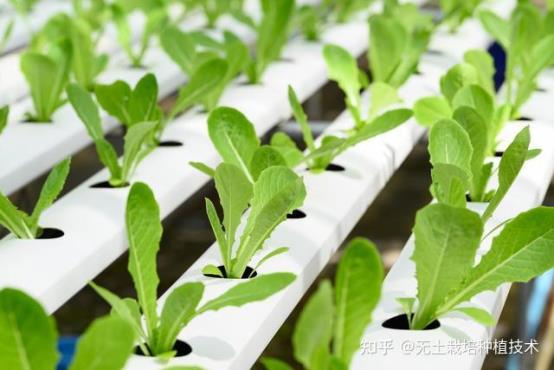
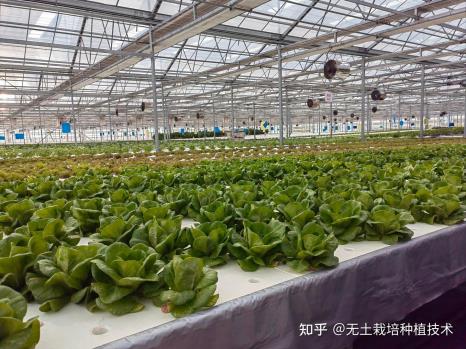
1. Hydroponics: Vegetables live in a "nutritious swimming pool"
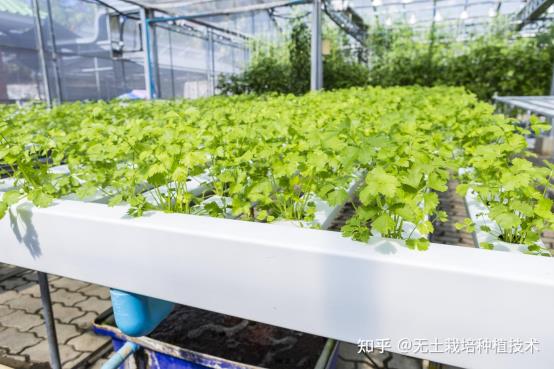
principle: the plant root system is directly immersed in the flow of nutrient solution, through the water pump circulation for oxygen.
common modes: deep flow (DFT),nutrient solution membrane(NFT),floating board cultivation.
advantages: fast growth, leafy vegetables can be harvested in 20-25 days (such as lettuce, Chinese cabbage); simple equipment, suitable for large-scale production; no substrate, clean and hygienic.
Disadvantages: the concentration, pH value and dissolved oxygen of nutrient solution need to be strictly monitored; Root system is perishable (power failure or high risk of pump failure); Initial equipment investment is high (about 300-500 yuan/m2).
applicable crops: leafy vegetables (lettuce, spinach), fast-growing vegetables, strawberries.
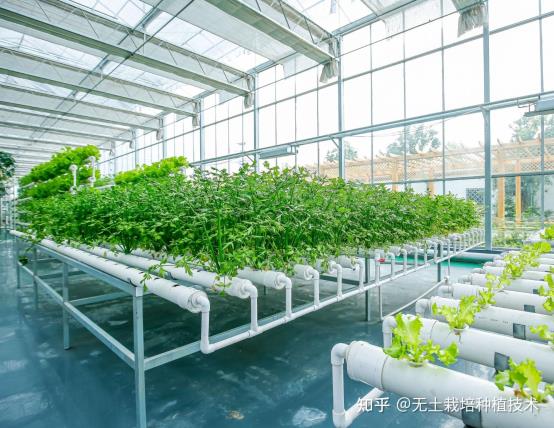
2. Aerosol culture: let the root system "soar in the clouds"
principle: the root system is suspended in a confined space, and the nutrient solution mist is sprayed regularly through the spray device.
advantages: sufficient oxygen, root growth rate 2-3 times faster than hydroponic; The best effect of water saving and fertilizer saving (nutrient solution recycling rate exceeds 95%); Suitable for high value-added crops (such as medicinal materials, fine fruits and vegetables).
disadvantages: precision equipment, need to be equippedhigh pressure spray system, environmental sensors; Strong dependence on electricity (power failure for 2 hours may lead to dead seedlings); The initial investment is the highest (about 800-1200 yuan/m2).
Applicable crops: Solanum (tomato, colorpepper), rhizome (potato), medicinal plants.
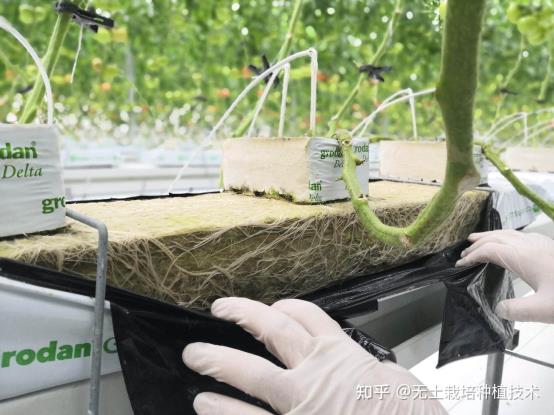
3. Substrate cultivation: give plants an "artificial soil"
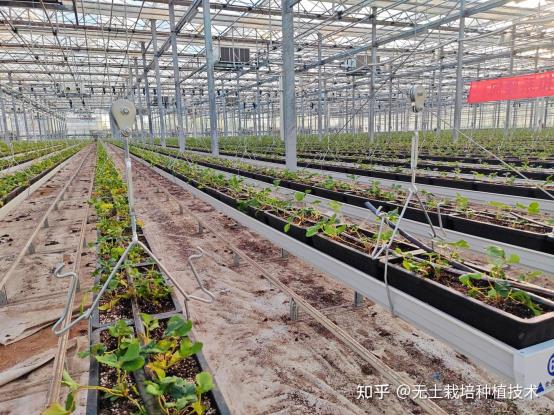
principle: coconut husk, rock wool, vermiculite and other materials instead of soil, throughdrip irrigation systemdelivery of nutrient solution.
advantages: management is closest to traditional planting, farmers are easy to use, strong buffer, not easy to appear root burning, hypoxia problems, flexible investment (simplegroove cultivation costabout 50-100 yuan/m2).
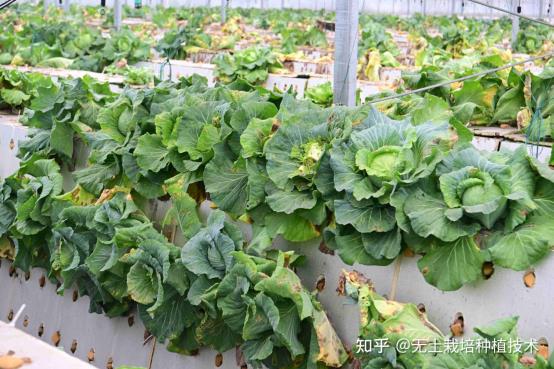
Disadvantages: need to replace the substrate regularly (1-2 years/time); May carry pathogenic bacteria (need to do substrate disinfection); Space utilization rate is lower than hydroponic/aerosol culture.
applicable crops: melons and fruits (cucumber, watermelon), eggplant (eggplant, pepper), flowers.
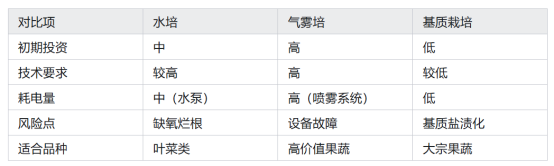
3. a comparison table to understand the core differences.
4. farmers selection guide: the most critical to local conditions
1. Selection based on fund budget
: recommend substrate cultivation (old greenhouse can be transformed)
There are government-subsidized projects: hydroponics can be tried (the return on investment cycle is about 2-3 years)
planting high value-added crops: consider aerosol culture (the output value of fine tomatoes per mu can reach 100000 yuan)
2. Combining planting experience
novice farmers: starting with substrate cultivation and gradually learning the ratio of nutrient solution
has technical team support: can try to automate hydroponic system
Power Unstable Areas: Careful Selection of Aerosol Culture, Priority Substrate Cultivation
3. Reference to the local market
supply fast food chain: hydroponic lettuce (neat appearance, easy to harvest)
Community Group Buying Channel: Substrate Cultivation Tomato (Taste Closer to Traditional Cultivation)
sightseeing agricultural park: aerosol culture + three-dimensional planting (strong sense of science and technology, attracting tourists)
5. FAQ
Q: Does the taste of soilless vegetables deteriorate?
scientifically proportioned nutrient solution can reach 8.5, which is 15% higher than that of ordinary planting. The key is to pay attention to the supplement of trace elements.
Q: How to manage high wet weather in rainy season?
hydroponic/Aerosol culture needs to be strengthenedventilation, substrate cultivation can reduce drip irrigation frequency, all modes should be equipped with humidity sensor.
Q: Can you prepare your own nutrient solution?
recommend initial purchase of finished mother liquor (e. g.MountainAsakiFormula), AB can be purchased after proficiencytank raw materialself-deployment, cost reduction of 40%.
soilless cultivation is not to replace traditional cultivation, but to provide more choices for farmers. It is suggested to start with 0.5 mu of experimental field and select the technical path according to its own conditions. With the advancement of technology, even ordinary farmers can now use mobile phone APP to remotely monitor greenhouse environmental parameters. Seize the opportunity, scientific planting, the next income increase case may be you!
